Join Us: Give Back and Get Involved Today
- Emma Douglas
- Aug 29
- 5 min read

In a world where individualism often takes center stage, the power of community and collective action can sometimes be overlooked. Yet, the impact of giving back and getting involved in local initiatives can be profound, not just for those who receive help but also for those who offer it. Engaging in community service or volunteering can lead to personal growth, stronger connections, and a more vibrant society. This blog post will explore the various ways you can get involved, the benefits of giving back, and how your contributions can create a ripple effect of positive change.
The Importance of Community Involvement
Building Stronger Connections
When you engage with your community, you foster relationships that can lead to lasting friendships and networks. Community involvement allows you to meet people from diverse backgrounds, share experiences, and learn from one another. These connections can be invaluable, both personally and professionally.
Enhancing Personal Growth
Volunteering can be a transformative experience. It challenges you to step outside your comfort zone, develop new skills, and gain insights into the lives of others. Whether you are mentoring a young person, helping at a food bank, or participating in environmental clean-ups, you will find opportunities to grow and learn.
Creating Positive Change
Every small action contributes to a larger movement. When individuals come together to support a cause, they can create significant change. Whether it’s improving local parks, supporting underprivileged families, or advocating for social justice, your involvement can make a difference.
Ways to Get Involved
Volunteering at Local Organizations
One of the most direct ways to give back is by volunteering your time at local organizations. Here are some options to consider:
Food Banks: Help sort and distribute food to those in need. Many food banks rely on volunteers to keep their operations running smoothly.
Animal Shelters: If you love animals, consider volunteering at a local shelter. You can help with feeding, walking dogs, or even fostering pets.
Community Centers: Many community centers offer programs for children and families. You can assist with after-school programs, sports, or arts and crafts.
Organizing Community Events
If you have a passion for event planning, consider organizing a community event. This could be a fundraiser, a clean-up day, or a cultural festival. Here are some steps to get started:
Identify a Cause: Choose a cause that resonates with you and your community.
Gather Support: Reach out to friends, family, and local businesses for support and sponsorship.
Plan the Details: Decide on a date, location, and activities. Make sure to promote the event through local channels.
Execute and Reflect: On the day of the event, ensure everything runs smoothly. Afterward, reflect on what worked well and what could be improved for next time.
Joining Local Advocacy Groups
If you’re passionate about a specific issue, consider joining an advocacy group. These organizations work to raise awareness and push for change in areas such as environmental protection, social justice, and education reform. By joining a group, you can amplify your voice and connect with others who share your passion.
Benefits of Giving Back
Improved Mental Health
Research shows that volunteering can lead to improved mental health. Engaging in acts of kindness releases endorphins, which can enhance your mood and reduce feelings of stress and anxiety. Helping others can provide a sense of purpose and fulfillment that contributes to overall well-being.
Skill Development
Volunteering offers a unique opportunity to develop new skills. Whether you are learning to manage a project, communicate effectively, or work as part of a team, these experiences can enhance your resume and prepare you for future career opportunities.
Increased Community Awareness
When you get involved in your community, you become more aware of the challenges and needs that exist. This awareness can lead to a deeper understanding of social issues and inspire you to take action, whether through volunteering, advocacy, or simply spreading the word.
How to Start Giving Back
Assess Your Interests and Skills
Before diving into community involvement, take some time to assess your interests and skills. What are you passionate about? What talents do you have that could benefit others? Understanding your strengths will help you find the right opportunities.
Research Local Opportunities
Look for local organizations and initiatives that align with your interests. Websites like VolunteerMatch and local community boards can be great resources for finding volunteer opportunities in your area.
Make a Commitment
Once you find an opportunity that excites you, make a commitment to get involved. Whether it’s a one-time event or a regular volunteering schedule, consistency is key to making a meaningful impact.
Inspiring Examples of Community Involvement
The Power of a Community Garden
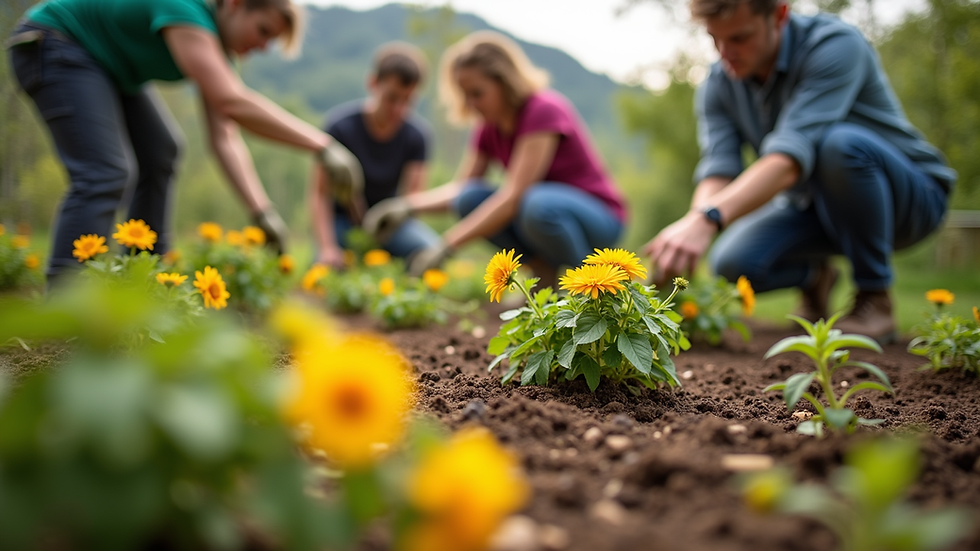
Community gardens are a fantastic example of how collective action can lead to positive change. These gardens not only provide fresh produce to local residents but also foster a sense of community. People come together to plant, maintain, and harvest, creating bonds and sharing knowledge about sustainable practices.
Mentorship Programs
Mentorship programs can have a profound impact on young people. By sharing your experiences and guidance, you can help shape the future of the next generation. Many organizations are looking for mentors to support youth in various fields, from academics to career development.
Environmental Clean-Up Initiatives
Environmental clean-up initiatives are another way to get involved. Organizing or participating in clean-up days at local parks, beaches, or neighborhoods can significantly improve the environment and raise awareness about the importance of keeping our surroundings clean.
Overcoming Barriers to Involvement
Time Constraints
Many people feel they don’t have enough time to volunteer. However, even small contributions can make a difference. Consider dedicating just a few hours a month to a cause you care about. You might be surprised at how much you can accomplish in a short amount of time.
Fear of Commitment
Some individuals hesitate to get involved due to fear of long-term commitment. Start small by participating in one-time events or short-term projects. This allows you to gauge your interest without feeling overwhelmed.
Lack of Awareness
If you’re unsure where to start, reach out to friends or family who are already involved in community service. They can provide insights and recommendations for organizations or initiatives that align with your interests.
Conclusion
Getting involved in your community is a rewarding experience that benefits both you and those around you. By giving back, you can build connections, enhance your personal growth, and create positive change. Whether you choose to volunteer, organize events, or advocate for important issues, your contributions matter.
Now is the time to take action. Explore the opportunities available in your area, and find a cause that resonates with you. Together, we can create a stronger, more connected community. Join us in making a difference today!


Comments